Indoor 5G Router vs Outdoor 5G CPE
An indoor 5G router is a plug-in desktop unit that assumes a workable signal already reaches inside your home or office. Outdoor 5G CPE is mounted outside on a wall or pole specifically because indoor signal is too weak, picking up a stronger connection outside and feeding it indoors, typically to a separate WiFi extender that broadcasts it inside. Picking between them comes down to where you actually get usable signal, not which one is 'better.'
The real question is where your signal is already usable
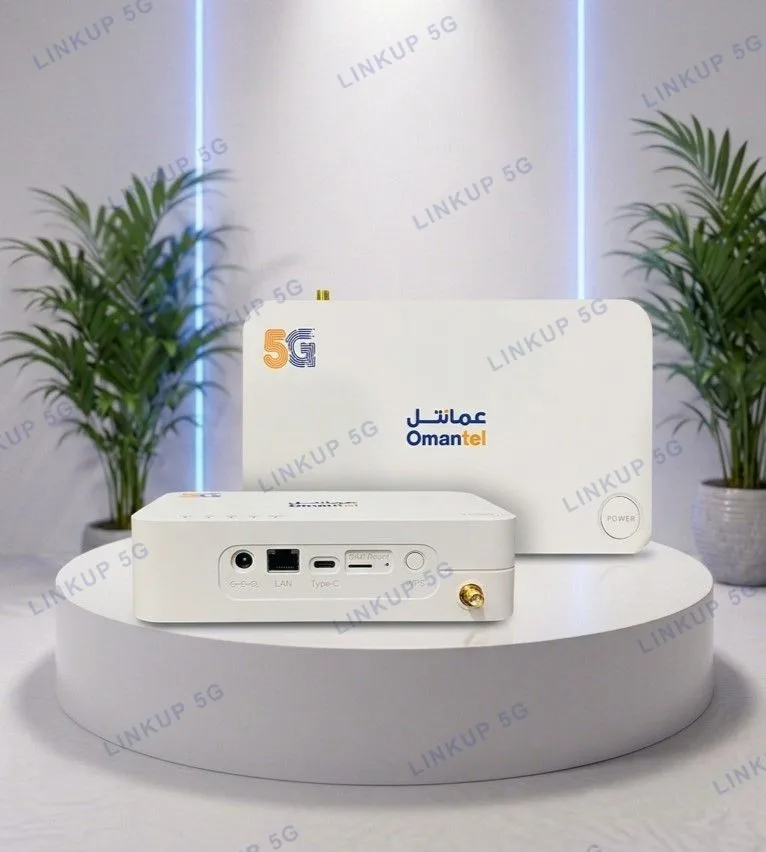
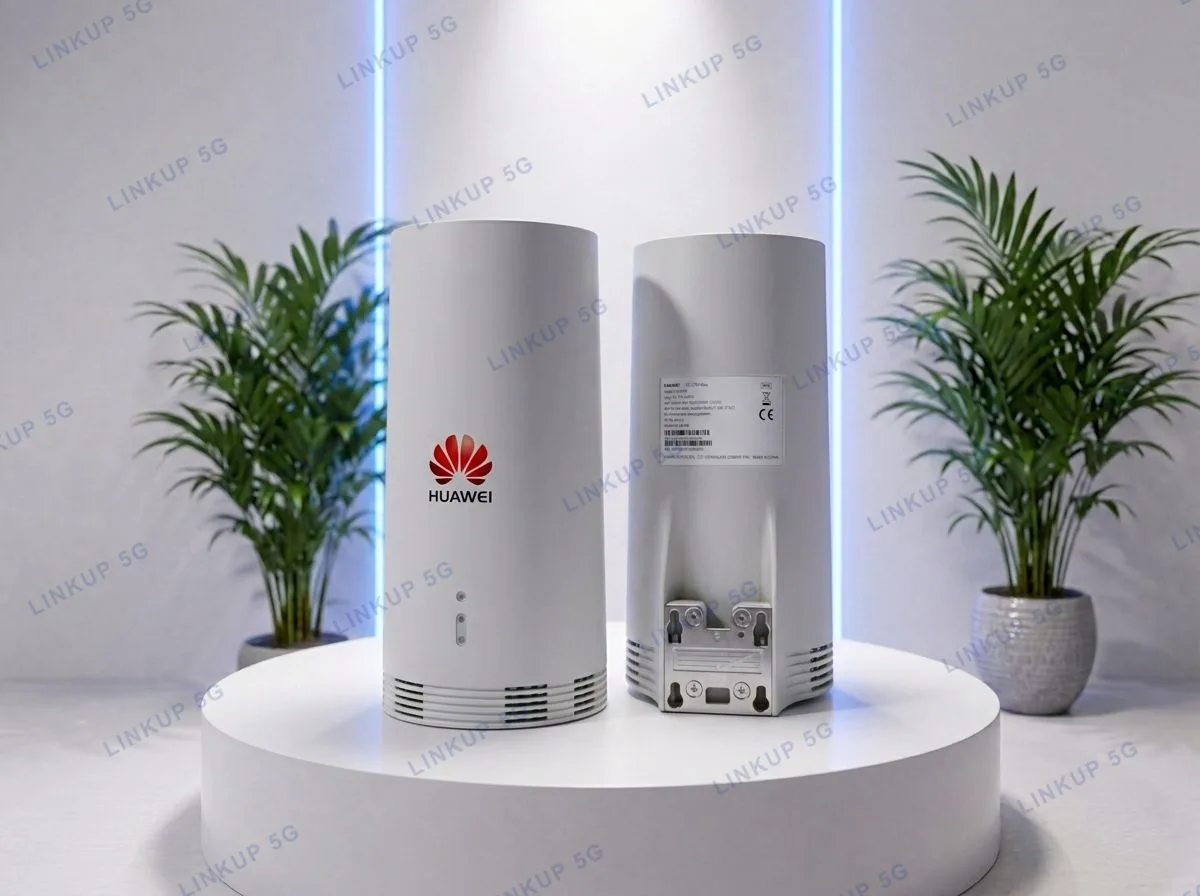
| Factor | Indoor 5G Router | Outdoor 5G CPE |
|---|---|---|
| Price | Rs 24,000 (Aurora C150) | Rs 27,000 (Huawei N5368X) |
| Mounting | Indoor desktop unit, no weatherproofing | Wall or pole mount included, IP65 weatherproof rated for outdoor use |
| Best for | An address with a workable 5G or 4G signal already reaching indoors | An address with usable signal outside but weak signal indoors, or no fiber, cable, or DSL option at all |
| Antenna | External SMA antenna port for a borderline signal | Built-in high-gain antennas, not upgradable; outdoor placement itself is the signal boost |
| Setup | Insert SIM and plug in, no mounting required | Can also be used indoors and plugged in like a normal router; mounted outdoors, it feeds a separate WiFi extender indoors instead |
Which one fits you?
Choose Indoor 5G Router if
- Your indoor signal already works reasonably well
- You do not want to mount anything outside
- A simpler plug-in setup matters more than maximum signal strength
Choose Outdoor 5G CPE if
- Your indoor signal is weak or unreliable, but usable outside
- You have no fiber, cable, or DSL option at your address
- You're comfortable with, or can arrange, an outdoor wall or pole mount
Common questions
Straight answers, no marketing fluff.
Check your signal in both places. If your phone gets a solid signal standing outside but it drops noticeably indoors, outdoor CPE is built for exactly that gap. If indoor signal is already fine, an indoor router is the simpler setup. Try our Find My Device tool if you are still not sure.
Still have questions?
Contact SupportRelated categories
Still not sure which one you need?
Answer a few questions and we will point you to the device that actually fits your situation.